
Hands-on exploration
The biology department is located on the first floor of the McKinney Center, which is Bridgewater’s comprehensive teaching center for science and mathematics. It serves as classroom space and research sites for students. State-of-the-art equipment located onsite gives students practical experiences using the same instrumentation as practitioners in the field. Outside the McKinney Center features a teaching/research greenhouse with the adjacent Shrum Garden, and a herbarium. The on-campus biology facilities combined with our location in the Shenandoah Valley provides the perfect opportunity for hands-on exploration and learning.
Labs
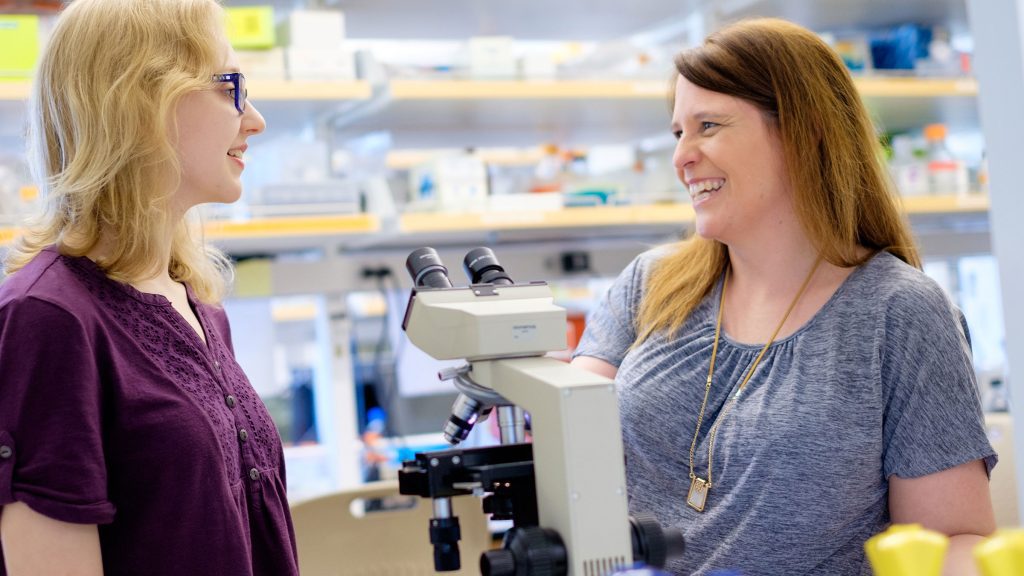
Laboratory facilities in the Bridgewater College McKinney Science Center give students hands-on experience in biology, environmental science, and health-related fields. Students work directly with modern techniques such as PCR, DNA sequencing, microbiology, and physiological analysis in labs used for both teaching and research.
These labs emphasize real-world scientific skills, preparing graduates for careers in healthcare, biotechnology, environmental science, and graduate study.
Biotech Core
A dedicated biotechnology lab equipped for PCR, DNA sequencing, fluorescence imaging, and tissue preparation, supporting advanced coursework and student research.
Wildlife Nutrition Lab
Students analyze the nutritional content of vegetation and food sources used by wildlife using specialized analytical equipment.
Anatomy/Physiology Lab
Description
Micro-Molecular Lab
A Biosafety Level 2 laboratory where students collaborate with faculty to study microbiology and molecular biology techniques, including DNA analysis, protein purification, and gene cloning.
Stem Cell Lab
Description
Field Sites
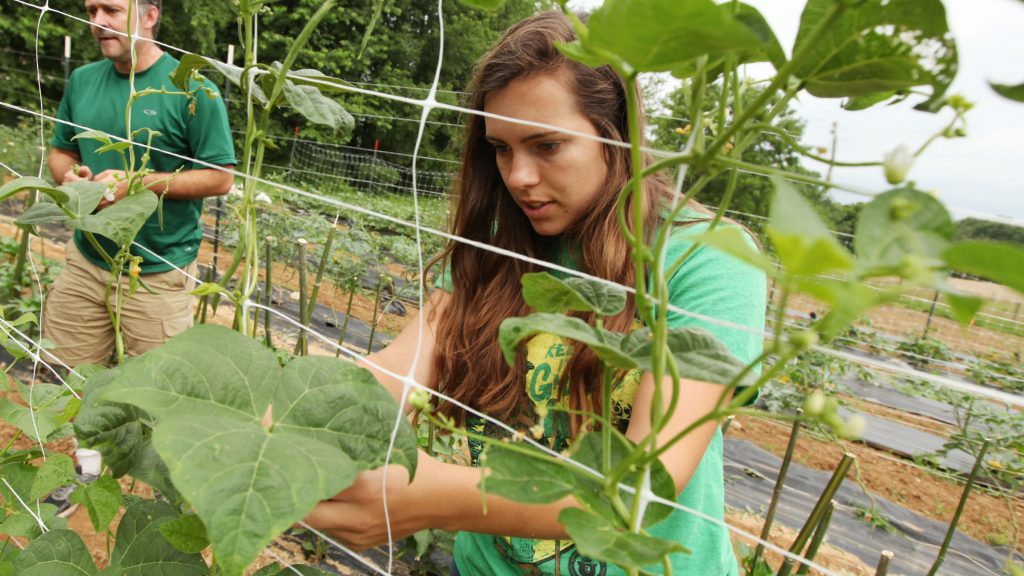
Field sites connect students to real-world ecosystems through hands-on learning in natural and controlled environments. On-campus locations support fieldwork, environmental monitoring, and applied research.
Students learn how sustainability, ecology, and conservation directly impact our community. Nearby rivers, lakes, and regional ecosystems expand opportunities for field-based labs, internships, and experiential learning in the Shenandoah Valley.
Sustainable Food Pantry Garden
A one-acre garden producing 8,000–10,000 pounds of food annually for local pantries, while supporting student research, internships, and hands-on learning.
Pollinator Garden
An outdoor classroom featuring native plants that support pollinators, including monarch butterflies, and maintained through ongoing student involvement.
College Woods & North River
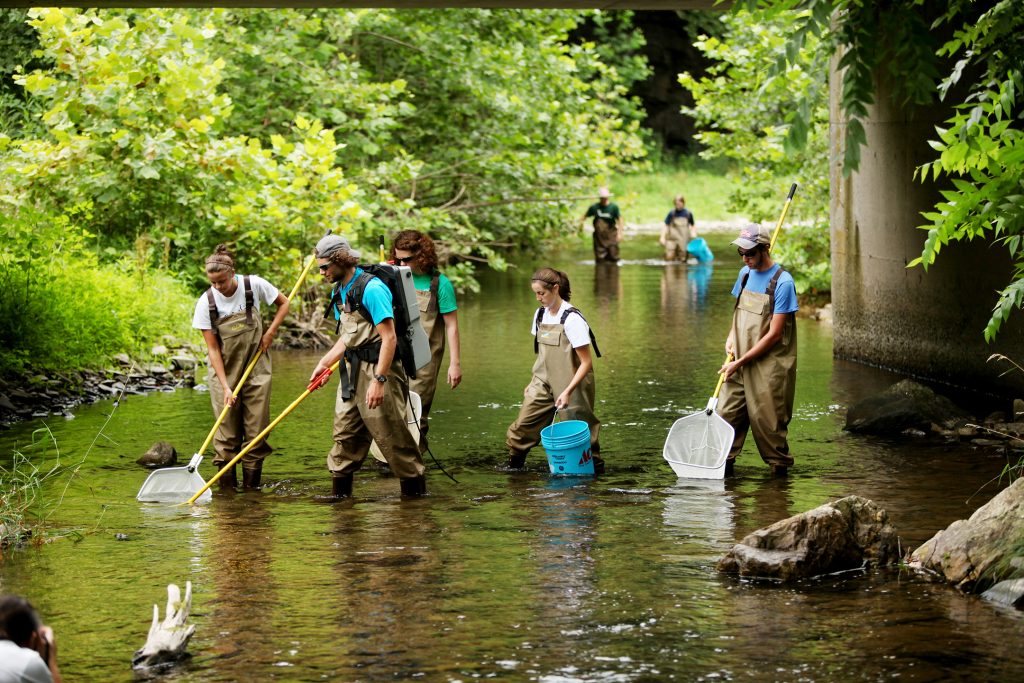
On-campus and adjacent natural areas used for environmental and aquatic fieldwork, providing direct access to diverse ecosystems.
Switzer Lake
Description
Collections and Resources
Collections and shared resources provide access to diverse biological specimens and specialized learning environments. Students work with extensive natural history collections, including thousands of plant, fungi, and animal specimens used for teaching and research.
Living systems such as plant conservatories and controlled aquatic environments allow students to observe biological processes in real time. These resources support hands-on learning in biodiversity, ecology, and organismal biology while contributing to ongoing research and collaboration.
Natural History Collections
Extensive teaching and research collections including over 5000 vascular plants, over 800 macrofungi, over 1000 vertibrate animals, and extensive specimen records, with regional and global representation.
Living Stream
A large, artificial flow-through stream with temperature-controlled water is available for aquatic ecology and physiology research.
Greenhouse
In addition to maintaining a diversity of plants for the teaching labs, ample space is dedicated for independent research and a starting point for the Sustainable Food Pantry Garden.
Get Involved: Biology and Science Clubs
Get involved in clubs that build professional knowledge, communication and leadership skills such as the Pre-Health Society and TriBeta, the national biological honor society. Be active in club administration, fundraising and event planning.
As a Pre-Health Society member, you’ll have access to information and opportunities to explore a variety of careers in healthcare. Pursue your interest in fields such as medicine, nursing, dentistry, optometry, veterinary medicine, clinical lab sciences, dental hygiene, and physical and occupational therapy.
For more information about joining the Pre-Health Society, contact:
Dr. Robyn Puffenbarger
Beta Beta Beta (Tri-Beta) National Biological Honor Society
TriBeta (Beta Beta Beta) is a national biological honor society represented at Bridgewater by the Nu Upsilon chapter. It emphasizes scholarship and service through research and education. Potential members must be biology majors with a 3.0 GPA in their major coursework.
Advisor: Ed Lickey
Environmental Science Club
This club helps students explore environmental science careers through guest speakers and experiential learning. Events include hiking, environmental education, volunteering, learning about invasive species, dinner and guest convos.
Advisors: Dr. Tim Kreps and Dr. Tamara Johnstone-Yellin
The McKinney Center
Bridgewater College’s labs are housed in the McKinney Center for Science and Mathematics, a facility that reflects the College’s strong commitment to STEM education. Its modern design and comprehensive resources support hands-on learning and prepare students for success in science and engineering fields.
Virtual Tour
